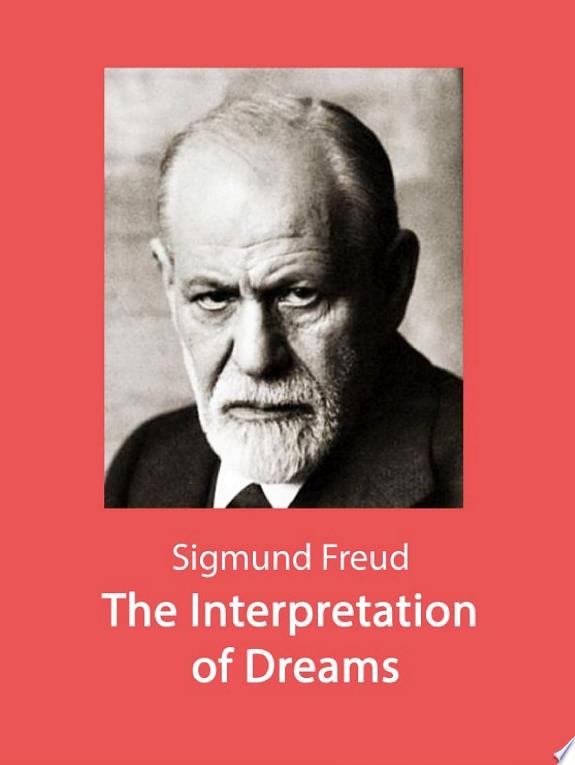
Sigmund Freud
Sigmund Freud (born Sigismund Schlomo Freud; 6 May 1856 – 23 September 1939) was an Austrian neurologist and the founder of psychoanalysis, a clinical method for evaluating and treating pathologies arising from conflicts in the psyche through dialogue between patient and psychoanalyst, and the distinctive theory of mind and human agency derived from it. In creating psychoanalysis, Freud introduced therapeutic methods such as free association, the interpretation of dreams, and the analysis of transference phenomena that arise in the clinical setting. Freud's redefinition of sexuality to include infantile stages led him to formulate the Oedipus complex as a central tenet of psychoanalytical theory. His analysis of dreams as wish fulfillments provided him with models for the clinical analysis of symptom formation and the underlying mechanisms of repression. Accordingly, on this basis, Freud elaborated his theory of the unconscious and went on to develop a model of psychic structure comprising id, ego, and superego (a tripartite model of the mind). Freud postulated the existence of libido (sexualised psychic energy), with which mental processes and structures are invested and that generates erotic attachments and a death drive, the source of compulsive repetition, hate, aggression, and neurotic guilt.